Criminal Defense Lawyer Serving Fairfax & Northern Virginia
Our Fairfax, VA criminal defense lawyer knows that being charged with a crime is stressful and confusing. Those normally in a position of trust, the police and prosecutors, are suddenly “on the other side.” Worse, Virginia’s procedures seem tilted against the defendant. Sure, there are platitudes such as “presumption of innocence” and “proof beyond a reasonable doubt.” Whatever the cause, it is a fact that some people are wrongfully convicted of crimes. Criminal defense attorneys work hard to avoid this.
When it comes to defending a client against charges, a criminal defense lawyer usually works backwards. They will review the alleged crime and list the “elements.” Elements are the facts the government must prove to secure a conviction. Can each element be proven beyond a reasonable doubt? Seeing that Constitutional rights have been protected is also a common defense that a criminal defense attorney might employ. For example, if the police violate the Constitution by illegally searching one’s home, the penalty is that they can’t use any evidence obtained during that search. Defenses vary depending on the case. For example, an alibi defense necessarily requires some proof that the accused was not at the crime scene. Our skilled Fairfax criminal defense lawyer knows which defenses best fit each fact pattern and uses that knowledge to protect the defendant.
Criminal Defense Cases We Handle
- DUI & DWI Defense
- ABC Law
- Assault Defense
- Drugs
- Embezzlement
- Reckless Driving
- Shoplifting
- Traffic Offenses
- White Collar Crime
In Virginia, prosecutions for misdemeanors and felonies proceed somewhat differently, and our Fairfax criminal defense lawyer is comfortable with both processes. Virginia misdemeanor prosecutions commence on a Summons or Warrant of Arrest. The accused is given a court date for an “arraignment,” during which he is formally read the charges and told to get a lawyer. The accused is given a second trial date. Motions may be heard on the day of trial or sometime in advance, depending on the court and issue. Misdemeanor trials are before a single judge in the General District Court. If convicted in that court, the accused can appeal to the Circuit Court, allowing their criminal defense lawyer to argue for a new trial before a jury.
Felony prosecutions in Virginia commence on a Warrant of Arrest or an Indictment, and our criminal defense lawyer can help immediately. In most cases, the accused is called before the General District Court for a Preliminary Hearing. This is a truncated trial on the issue of whether the government can prove “sufficient cause” to prosecute him. At this stage, the Prosecutor must only show that there is at least some evidence that the Defendant committed the crime. He does not have to prove the case. This was put in place by our Founding Fathers to ensure that truly innocent people are not subjected to the expense and stress of criminal prosecution. If the case proceeds, it goes to the Circuit Court for an arraignment, motions, and trial. During this process, a criminal defense lawyer represents their client at all phases of the matter.
Having an experienced criminal defense lawyer is vitally important to protect your liberty. If you are charged with a crime, our experienced Fairfax criminal defense lawyer can give you a better chance of a favorable result through plea negotiations or at a trial.
My Child Was Arrested, What Do I Do?
Teenagers are known to make mistakes. It’s how they learn and grow. However, some of these mistakes can result in criminal charges. Depending on the severity of the charges, your teen could face serious criminal consequences and be incarcerated. If your teen has been charged with a crime, it’s important to speak with our Fairfax, VA criminal defense lawyer from Dave Albo – Attorney immediately.
Steps to Take
If your teen has been arrested, the first thing everyone should do is to try to remain calm. Although it may seem like the end of the world, the truth is that right now, your child has only been arrested, not convicted. Let your child know right away that they have rights just like an adult, including the right to refuse to answer any questions by police when a criminal defense lawyer is not present. However, you also want to remind your teen to remain respectful in all their dealings with law enforcement.
Not only does your child have the right to call you after their arrest and the right to remain silent and not incriminate themselves, but it is also important to know that you have parental rights in these situations, too.
You have the right to be notified by law enforcement if your teen has been arrested and charged with a crime.
Since your teen is a minor, they cannot post bail on their own. They also cannot enter into a contract with a Virginia criminal defense lawyer. These are actions you must do for them.
When retaining a criminal defense lawyer, you want to make sure you hire one who is well-versed and experienced in juvenile law. The juvenile criminal justice system is different from the adult criminal justice system. Whereas the adult system focuses on punishing the offender, the juvenile system is focused on rehabilitation.
There are also different results in the juvenile system than in the adult system. For example, in the adult criminal justice system, when a person is found guilty or pleads guilty, this is referred to as a conviction. In the juvenile system, when a minor is found guilty or pleads guilty, it is referred to as an adjudication. A criminal defense lawyer can explain these types of differences to you so you will be aware and educated as to each step of the process your teen is going through.
Another thing to consider when choosing a criminal defense lawyer for your child – an attorney who is not experienced in juvenile law could end up making a procedural error that could result in hurting your child’s case.
When the Chain of Evidence Custody Breaks Down
Our Fairfax, VA criminal defense lawyer understands the importance of maintaining the chain of custody for evidence from a crime. This is because what might seem on the surface like an airtight case against one of our clients may not be at all, particularly when the evidence is in question. The evidence can come into question when the law enforcement officers in charge of the evidence break the chain of custody. What that means and how it can affect your case are explained below. If you or someone you care about was arrested for a crime, give us a call. Our attorney can review your case at no charge and provide guidance on choosing legal representation. Dave Albo – Attorney focuses on representing their community members who have been accused of a crime and wish to protect their rights.
Understanding the Chain of Custody
In legal terms, the chain of custody refers to maintaining control over evidence in a legal proceeding. The control is crucial to ensure that the evidence is not tampered with, substituted, or removed, as any of those scenarios might bar the truth from coming to light and justice being served. The chain of custody is deemed unbroken if it is collected, handled, and documented from the moment it is discovered by law enforcement until the case is concluded in court. Even after the court case is over, the law enforcement agency in charge of it might retain custody of the evidence. This is done in the event of an appeal or other legal action that requires the examination and presentation of evidence.
Examples of Evidence and the Chain of Custody
Nearly anything can be considered evidence, depending on the nature of the criminal charge. As a result, maintaining the chain of custody can be easier with some forms of evidence than with others. For instance, if the crime scene is on an active cruise ship, holding the ship in a law enforcement facility is obviously impractical. However, other forms of evidence must be carefully controlled, such as with these examples:
- DNA
- Blood and other types of bodily fluids
- Clothing
- Photographs and other documents
- Vehicles
- Murder weapons
Information That is Included in the Chain of Custody Documentation
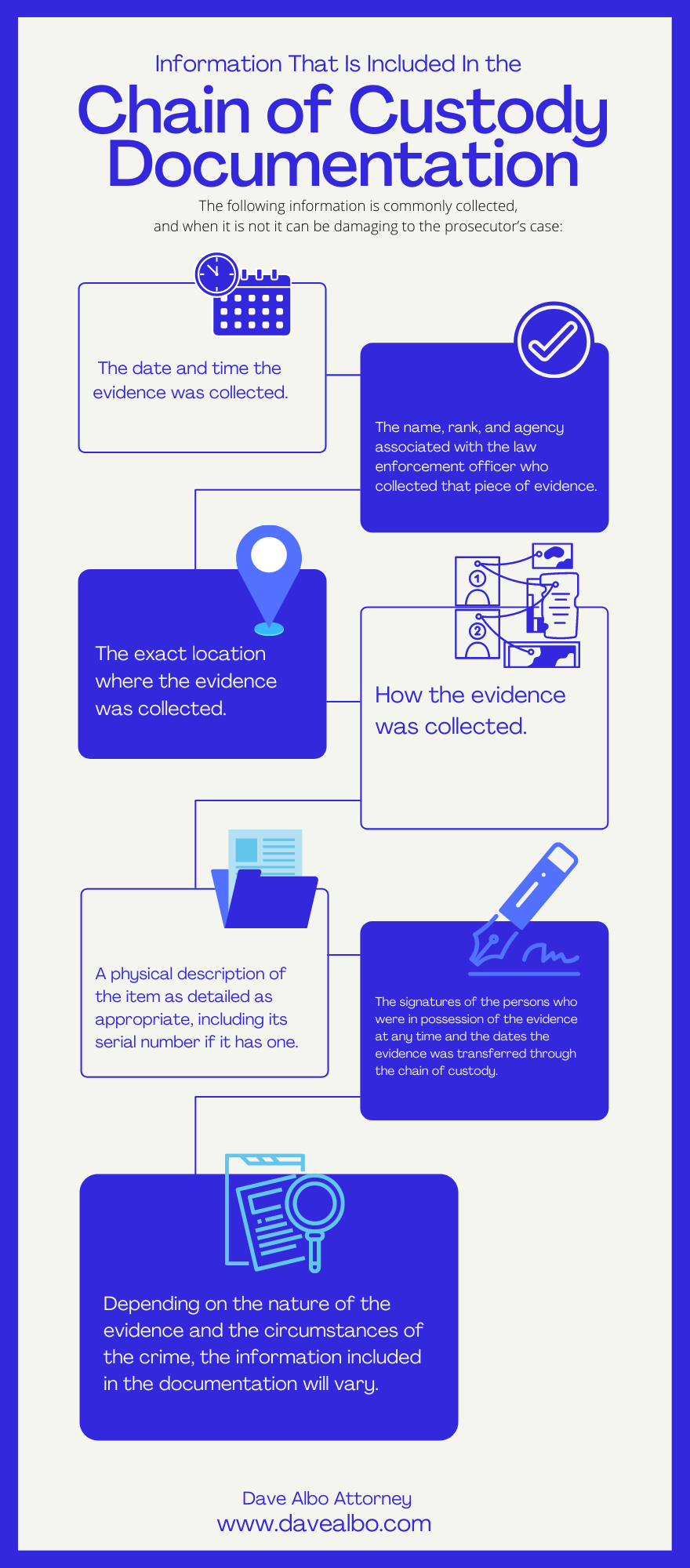
Depending on the nature of the evidence and the circumstances of the crime, the information included in the documentation will vary. There is also some variation among law enforcement agencies and across areas of the country. However, the following information is commonly collected, and when it is not, it can be damaging to the prosecutor’s case:
- The date and time the evidence was collected.
- The name, rank, and agency associated with the law enforcement officer who collected that piece of evidence.
- The exact location where the evidence was collected.
- How the evidence was collected.
- A physical description of the item as detailed as appropriate, including its serial number if it has one.
- The signatures of the persons who were in possession of the evidence at any time, and the dates the evidence was transferred through the chain of custody.
Fairfax Criminal Defense Infographic

Contacting a Criminal Defense Lawyer for a DUI
Our Fairfax, Virginia criminal defense lawyer can help you with your criminal charges, no matter how great or small. While many people immediately assume a headline-grabbing criminal case when they think about criminal defense, in reality, many criminal defense cases are much less flashy.
Unlike an ordinary traffic violation (such as running a red light or making an illegal turn), a DUI is a criminal charge. And like many more serious criminal charges, a DUI has the potential to seriously upend your life. A DUI can result in hefty fines, a suspended license, and even jail time – but it doesn’t have to. Fortunately, Dave Albo – Attorney is committed to ensuring you get a fair trial when it comes to your DUI, and any other kind of criminal case.
How Can Dave Albo Help?
When it comes to DUIs, it’s important to get as many details as possible about your case. There’s no reason you should be spending time in jail or slapped with fines for a DUI if it can be proven that the officers involved in your arrest didn’t follow proper procedure. The impact of a DUI can affect your life for years, so it’s important to do all you can to fight back against the charges.
Did the police officers read you your rights? Did they allow you a phone call? Was there a legitimate reason to pull you over in the first place? These are all important questions to consider when taking steps to fight your case, and Dave Albo can help you find all the right answers.
If you turn to a criminal defense lawyer, you should expect your attorney to provide you with all the legal information you need to fight for your future. Any criminal case has the potential to overwhelm you, especially if you get lost worrying and wondering about any possible punishments for what you’ve allegedly done. You might already be thinking about whether or not you’ll be able to find work after your conviction.
Dave Albo – Attorney is here to put your fears to rest. When you contact our office, we’ll provide you with all the information you need about what to expect from your case. We’ll ask you whether this is your first DUI, and we’ll ask you for any specifics you can recall from your arrest. This is no time to panic: Instead, it’s time for calm planning and action.
If you were recently arrested, it’s in your best interest to speak to our Fairfax criminal defense lawyer. A lawyer can provide you with a strong defense and protect your legal rights. Here are some frequently asked questions and answers about criminal law.
Fairfax Criminal Defense Statistics
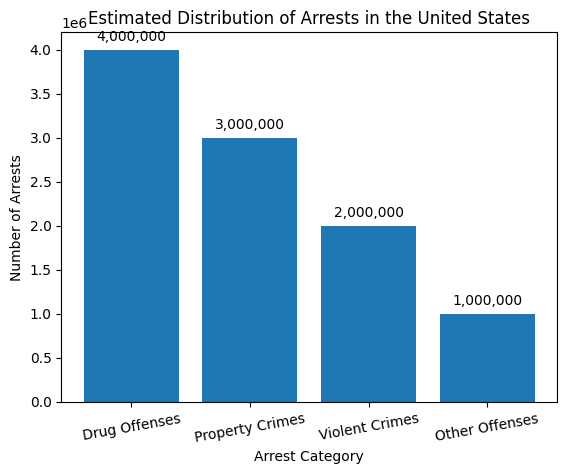
According to statistics from the Bureau of Justice Statistics, there are an estimated 10 million arrests each year in the United States.
- The most common type of arrest is for a drug offense.
- The second most common type of arrest is for a property crime.
- The third most common type of arrest is for a violent crime.
- The majority of arrests are made by local police departments.
Frequently Asked Criminal Defense Questions
Should I Talk to the Police?
No. Talking to the police is actually one of the biggest mistakes defendants make. Even if the police act friendly and seem like they want to help you, don’t trust them. The police only want to speak to you to get information to use against you. They also don’t have the power to drop or reduce your charges, so there is no benefit to discussing your case with them. If the police ask to speak to you, politely decline.
Will I Go to Jail?
If you’re facing criminal charges, the possibility of going to jail is likely at the top of your mind. However, whether or not you face jail time will depend on several factors, such as the type of crime you’re charged with and whether you have a previous criminal record or not. For example, if you were charged with a minor misdemeanor and have never been in trouble with the law prior to this, there is a good chance that you can avoid jail time.
What Is a Plea Bargain?
A plea bargain is an agreement between a prosecutor and a defendant in which the defendant pleads guilty to a lesser charge in exchange for a lighter sentence. Sometimes, accepting a plea bargain is in a defendant’s best interest. Your criminal defense lawyer may advise you to take a plea bargain, for example, if a felony can be reduced to a misdemeanor.
Should I Hire a Lawyer If I Plan to Plead Guilty?
Yes. Even if you plead guilty, it’s important to have a criminal lawyer who will protect your rights. Otherwise, the prosecution may seek the harshest penalties possible. A skilled criminal lawyer will know how to effectively negotiate with the prosecution to help you achieve a lighter sentence.
What Should I Look for in a Lawyer?
Ideally, you’ll want to work with a criminal lawyer who has extensive experience defending the type of crime you were charged with. For example, if you were charged with drunk driving, hire a lawyer who mainly handles DUI cases. The lawyer you select should also be communicative, honest, compassionate, and assertive.
Criminal Records
A criminal conviction could result in jail or prison time. Even if you are only sentenced to probation or you receive a suspended sentence, the sentence can still have a negative impact on your life. Every arrest goes on your criminal record, even if the charges are eventually dismissed or you are acquitted. Our Fairfax, VA criminal defense lawyer knows that having a criminal record can wreak havoc on your future. A conviction can affect your ability to get a job, find a place to live, or further your education. It can even affect your eligibility to receive certain government benefits. If you have a criminal record, you may want to discuss expungement with a seasoned criminal defense lawyer.
Am I Eligible for an Expungement in Virginia?
Obtaining an expungement under Virginia law can be a complicated process. The law has strict eligibility requirements for expungement. These requirements include:
- The person was acquitted.
- The person was arrested and charged with contempt on a civil action to which they were a party and found not guilty of that contempt charge.
- The Commonwealth Attorney decided not to prosecute the person and dismissed all charges.
- The person was charged with either assault and battery or a misdemeanor, in which there was a civil remedy available. That remedy must have been satisfied, and all criminal charges dismissed.
- The person’s identity was stolen and used by someone else, who was arrested.
- A person who was convicted but later granted an absolute pardon because it was later proven that the conviction was unjust.
Expungements are never automatically granted, regardless of the reason a person would be eligible. The person must petition the court to have their criminal record expunged. A Fairfax criminal defense lawyer can explain each step of the process and what other requirements there may be.
Let a Criminal Defense Lawyer Fairfax, VA Trusts Fight for You
If you have been charged with a crime or are being investigated, you may need a Fairfax criminal defense lawyer to ensure that your constitutional rights are protected. We have been aggressively fighting for our clients for more than two decades. We know the tactics prosecutors and law enforcement might use to secure convictions, and we use all available resources to ensure our clients receive and maintain strong defenses.
Contact our Fairfax criminal defense lawyer to set up an appointment to discuss your situation today.
Criminal Defense Law Glossary
A criminal defense matter often involves more than courtroom appearances. Legal matters frequently overlap with civil procedures, formal investigations, and court-based processes that affect how cases develop and resolve. This glossary explains key legal terms clients may encounter in disputes, hearings, or proceedings related to criminal or civil matters. We focus on practical definitions written in clear language so readers can better follow what happens at each stage of a case.
Pretrial Discovery
Pretrial discovery is the structured exchange of information between opposing parties before a case reaches trial. This phase allows attorneys to request documents, written statements, and recorded testimony that clarify the facts in dispute. Discovery helps both sides prepare their arguments and evaluate the strength of the evidence. Courts set rules and timelines for discovery to keep the process organized and fair.
During discovery, attorneys may issue written questions, request records, or schedule sworn testimony sessions. Information obtained during this phase can influence whether a case moves forward, settles, or proceeds to trial. Discovery often shapes legal strategy long before a judge or jury hears the case.
Depositions
A deposition is a formal session where a witness gives sworn testimony outside of court. Attorneys from both sides ask questions as a court reporter creates a verbatim record. Depositions allow attorneys to preserve testimony, clarify timelines, and evaluate how a witness may perform if called to testify later.
Depositions are commonly used in civil litigation but can also be relevant when civil matters intersect with criminal proceedings. Statements made during a deposition carry legal weight and may be referenced later if testimony changes. Preparation is critical, as answers are given under oath and become part of the official record.
Mediation
Mediation is a structured process in which a neutral third party facilitates discussion between opposing parties. The mediator does not issue decisions; instead, they help both parties reach an agreement. Mediation is voluntary and confidential, allowing participants to speak openly without the public scrutiny of court proceedings.
This process is frequently used in business disputes, construction matters, and contract disagreements. Mediation may occur before or after a lawsuit is filed. When successful, it allows parties to resolve disputes without extended court involvement while maintaining greater control over the outcome.
Arbitration
Arbitration is a private dispute-resolution process in which an arbitrator hears arguments and issues a decision. Unlike mediation, arbitration results in a binding ruling, depending on the parties’ agreement. Arbitration is more structured than mediation but less formal than a trial.
Parties may choose arbitration to reduce time spent in court or comply with contractual requirements. Evidence is presented, witnesses may testify, and legal arguments are made. Arbitration outcomes can have long-term legal and financial effects, making preparation and representation essential.
Appellate Review
Appellate review occurs when a party requests a higher court to examine a lower court’s decision. This process does not involve new evidence or witness testimony. Instead, appellate courts review the existing record to determine whether legal errors occurred.
Appeals rely heavily on written briefs that outline arguments supported by legal authority. Some cases include oral argument, though the focus remains on legal interpretation rather than factual disputes. Appellate review plays a key role in shaping legal precedent and correcting trial-level errors.
Legal matters rarely exist in isolation. Civil disputes, procedural hearings, and post-trial reviews can all influence broader legal outcomes. Working with a firm that understands how these processes connect is essential. Dave Albo – Attorney provides guidance grounded in experience and practical legal knowledge.
If you are facing a legal issue and want clear answers, we invite you to contact us. Reach out today to discuss your situation and learn how we can assist you
Read more of our Google reviews and let us know how we can help you with your criminal defense.
Contact Our Office Today
When you reach out to Dave Albo – Attorney, you aren’t just getting a criminal defense attorney: You’re getting an advocate who will work to ensure the court views you as more than just another criminal case. You have a future beyond your criminal case, and a life worth living – and we’ll take every step necessary to remind the court.
We’ll provide the support you need to get your life back on track. Reach out to Dave Albo – Attorney today, and see how a criminal defense lawyer in Fairfax, VA can help you regain control of your life and your future.
Client Review
“David Albo is amazing – super professional and very knowledgeable. I highly recommend retaining Dave’s services. He went out of his way to ensure all of my questions and concerns were addressed. Very friendly and quick to respond.”
– Emilia S.
Fill out the form and we’ll respond as soon as possible.
Posted on AnonymousTrustindex verifies that the original source of the review is Google. I was facing a charge of Reckless Driving for speeding on I66 at midnight. This is considered a Class 1 Misdemeanor in the state of Virginia. Having something like Reckless Driving on your record is on par with having a DUI. This charge also carries a chance for jail time (up to a year). I was incredibly scared because I had never faced such a charge. And looking into Virginia Law, my speed exceeded 90mph, which is quite serious. I retained Dave Albo to help me with this case. Since my record was clean, Dave had advised I do the following before my trial. * Take a DMV Driver's Improvement Course * Take a Behavior Modification Course * Do 100 hours of community service * Print my DMV Record one week before the trial On the day of my trial, Dave got my Reckless Driving charge REDUCED to a regular Speeding charge. This was the absolute best case scenario for me. No criminal record. No jail time. No suspension of license. I did receive 6 demerit points and had to pay a fine of $250 (plus court fees). But that's a slap on the wrist, compared to what I could have been facing. Thank you Dave Albo for helping me through this ordeal!Posted on TomTrustindex verifies that the original source of the review is Google. Dave albo it's a fantastic lawyer. He has helped me twice now with great results both times with minor traffic tickets. I would recommend him to anybody including my family. He has great ethics and honesty which is what I look for in a lawyer .Posted on kendall carpenterTrustindex verifies that the original source of the review is Google. Dave was my attorney recently for a car accident where I needed someone to represent me in court. After exchanging all necessary information he reassured me when the court date came that there wouldn’t be anything to worry about. On the day of court a couple problems arose and Dave was able to rectify them quickly, told me everything I need to say if needed and when it was all over he got my violation reduced significantly. I hope to never go to court again but if I do I will being calling Dave again.Posted on Amanda StallardTrustindex verifies that the original source of the review is Google. Retaining the services of Mr. Albo for traffic court was probably the best decision I made. He is very responsive to emails, knowledgeable, and punctual. He provided excellent advice that eased the panic of having to go to the court house and stand before a judge. I am very happy with the outcome of my visit to traffic court and highly recommend Dave Albo.Posted on Mark WestTrustindex verifies that the original source of the review is Google. Mr Albo was very professional and I was pleased with the outcome.Posted on MTrustindex verifies that the original source of the review is Google. David was incredible to work with from clear communication and next steps. To showing up to traffic court early to walk over all steps, making case in court as experienced/intelligent/well spoken lawyer. Lastly, he even followed after case in writing to confirm the outcome outlining everything that happened in lamen terms (in my case the best outcome we could ask for). I’m so appreciative to David.Posted on mitquinn88Trustindex verifies that the original source of the review is Google. Absolutely top notch representation. Can't thank Dave enough for his knowledge and expertise.Posted on G RTrustindex verifies that the original source of the review is Google. Thanks to Dave Albo for a fantastic job representing me and ensuring the best possible outcome for my case. I highly recommend him - you will be in good hands for sure. From start to finish he provided expert counsel and kept me well informed. He simply could not have done a better job.Posted on Hope CarriganTrustindex verifies that the original source of the review is Google. I am THRILLED with the outcome of my case, all thanks to Attorney Albo's superb expertise, excellent advice & sharp negotiating skills! I am extremely relieved and grateful; I highly recommend retaining his services. Well beyond worth it!!Posted on Doug DamronTrustindex verifies that the original source of the review is Google. Dave did a great job representing me for my traffic court infraction! I wanted the best and his name came up as I searched for an attorney. Highly recommend him on all levels including a successful outcome to my case.